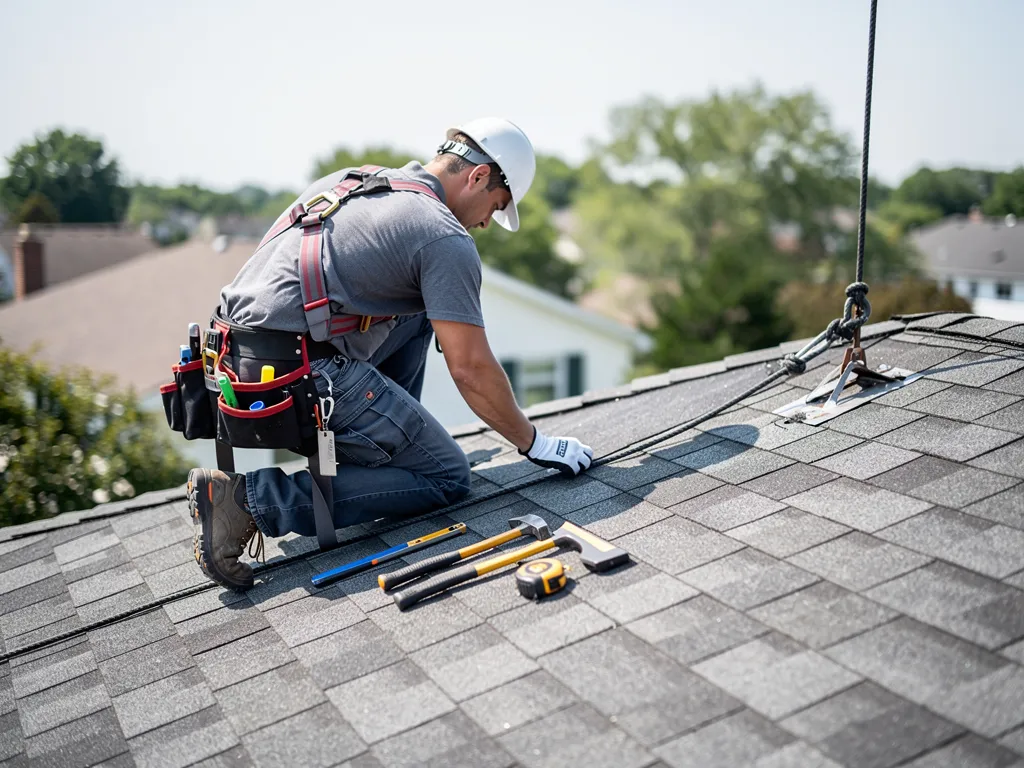
Choosing a trustworthy roofing contractor requires verifying licensing, insurance, and local experience. Chandler Roofing, founded in 2006, demonstrates reliability through skilled craftsmanship and competitive pricing. Property owners should request references, job photos, and written estimates. A contractor with five-plus years of local service and clear property protection plans ensures quality workmanship and peace of mind.
What credentials prove a roofer is trustworthy?
A trustworthy roofing contractor holds active licensing and full insurance coverage. Liability insurance and workers’ compensation protect property owners from financial exposure if accidents occur on the job site.
Why does local experience matter when hiring a roofer?
Local experience signals familiarity with regional weather patterns and building codes. A contractor with five or more years in the area understands how coastal humidity, heavy rains, or seasonal storms affect roofing materials. This knowledge prevents premature failures that out-of-town crews might overlook.
Property owners should verify credentials through a structured process. The following steps establish whether a contractor meets professional standards before any work begins.
- Confirm licensing and insurance status. Request the contractor’s license number and certificates for both liability coverage and workers’ compensation. Verify these documents with the issuing state agency.
- Evaluate local track record. Look for a company with deep roots in the community. Chandler Roofing has served residential and commercial clients since 2006, building a reputation across multiple counties in the southeastern US.
- Review references and project photos. Ask for contact information from recent customers and examine photographs of completed installations. Past work reveals consistency in craftsmanship and attention to detail.
- Inspect warranty terms. A genuine workmanship warranty, separate from the manufacturer’s material warranty, demonstrates confidence in the installation quality.
What documentation should a roofer provide before starting?
A qualified contractor supplies a written estimate, proof of insurance, and a detailed contract. The contract specifies material types, project timeline, payment schedule, and cleanup procedures. Chandler Roofing backs installations with genuine workmanship warranties alongside manufacturer material warranties, giving customers peace of mind long after project completion.
Skipping credential verification invites costly consequences. Uninsured contractors expose property owners to liability for worker injuries. Inexperienced crews install roofs that fail years before their rated lifespan. The company’s commitment to superior craftsmanship and industry-leading materials ensures roofs that stand the test of time. For a deeper look at essential contractor qualifications, review the guide on choosing the best roofer with five non-negotiable criteria.
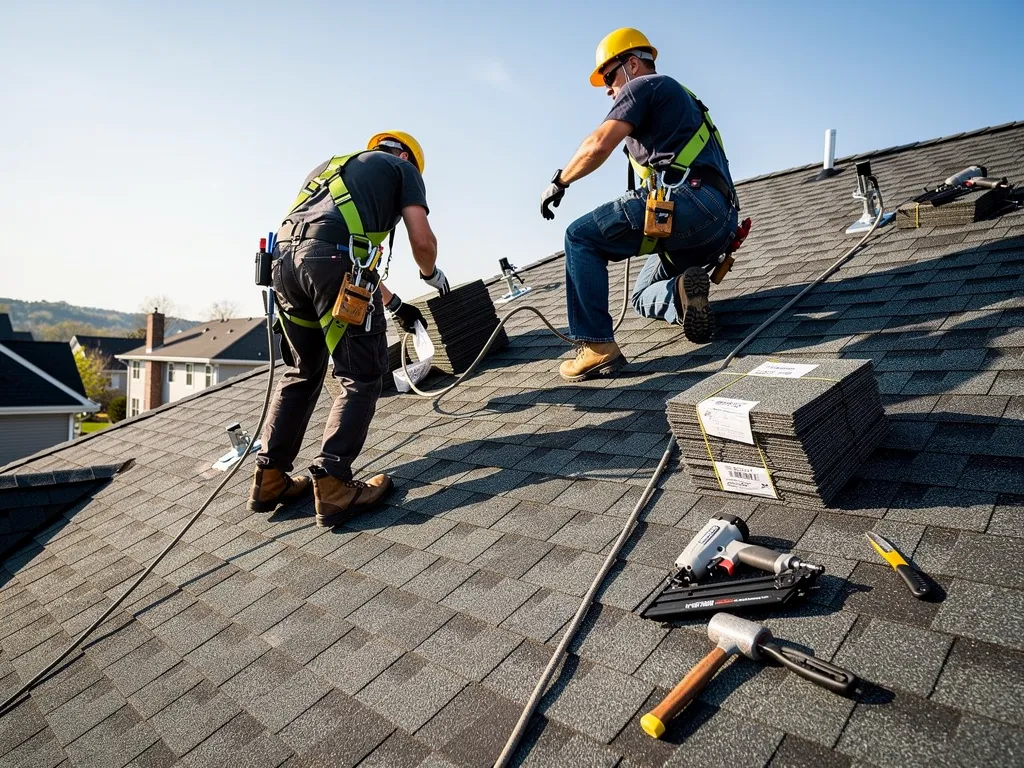
How do I verify local accountability and reputation?
Verifying local accountability protects property owners from costly mistakes. A contractor with deep community roots answers for the work long after the final invoice clears. Storm season brings an influx of out-of-town operators looking for quick work, which leaves homeowners holding the bag for shoddy installations. How Do I Choose a Reliable Roofing Contractor for My Project? The answer starts with checking whether the company has a physical presence and a track record in the region.
Chandler Roofing has operated since 2006 under founder Clay Chandler. The company serves residential and commercial clients across multiple counties. That longevity signals stability, not a fly-by-night operation.
What does a local track record actually prove?
A contractor with an established local reputation is less likely to be a storm-chaser. Out-of-town crews disappear after the first hard rain. Local companies face neighbors, building inspectors, and repeat customers every day.
Chandler Roofing has built trust through positive reviews and successful projects across various counties. Customer testimonials highlight responsiveness, competitive pricing, and thorough cleanup during projects. One client recommended Chandler Roofing for repairs and a full reroof, noting serious efforts to protect landscaping and clean up during and after the work.
How do reviews reveal accountability?
Follow these steps to verify reputation:
- Read reviews that mention cleanup, communication, and warranty follow-through.
- Check whether the contractor lists a local address and phone number.
- Ask for references from projects completed at least two years ago.
- Confirm the company responds to complaints or negative feedback publicly.
A reliable contractor prioritizes customer needs and delivers exceptional results in craftsmanship. Chandler Roofing backs installations with genuine warranties, which gives property owners recourse if issues surface later. That combination of local presence, documented reviews, and warranty support separates accountable roofers from transient operators.
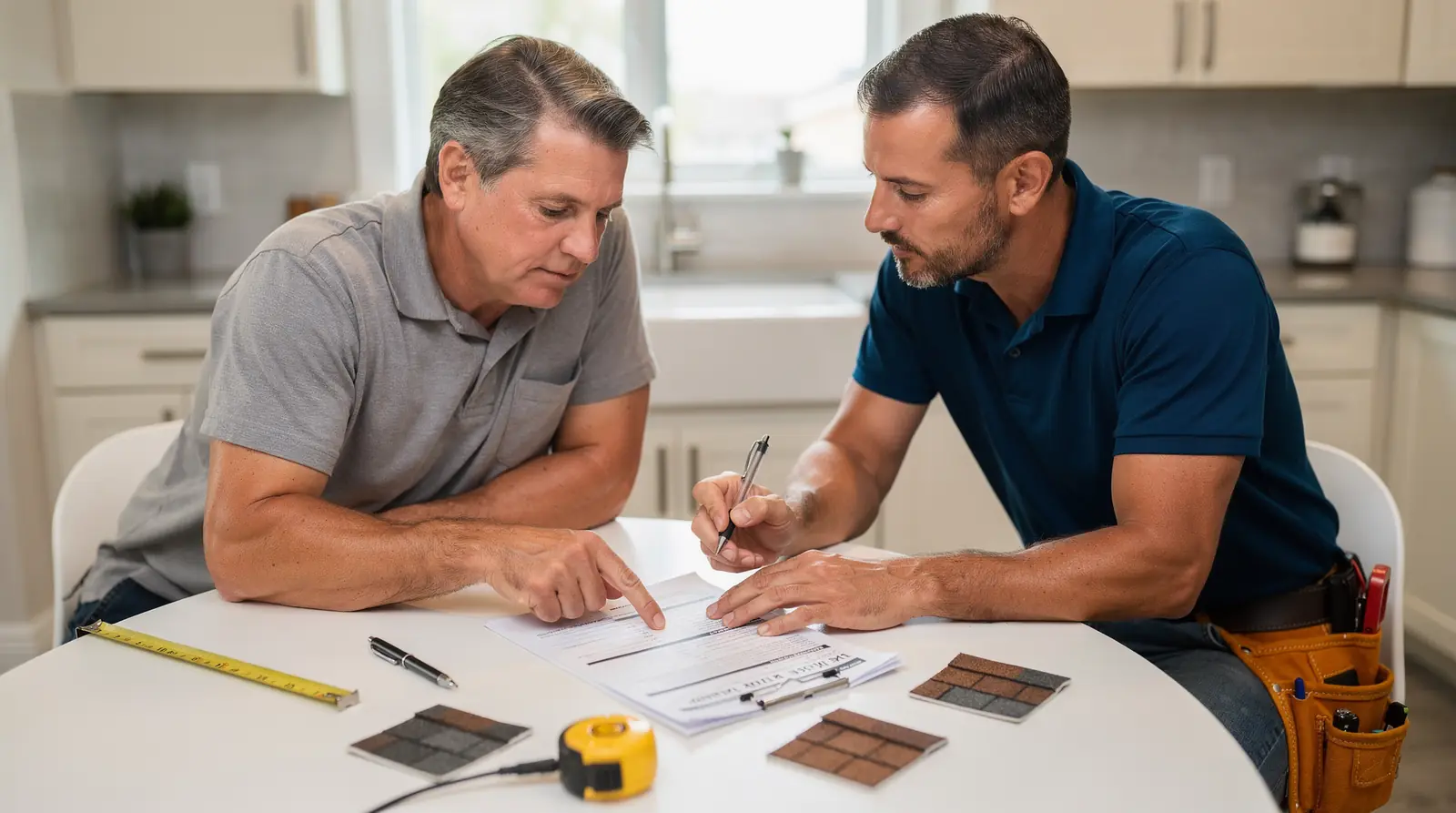
What should a detailed roofing contract include?
A detailed roofing contract protects property owners from unexpected costs and substandard work. Without a comprehensive written agreement, clients risk losing thousands of dollars to disputes over materials, timelines, or incomplete cleanup. The Better Business Bureau advises that every roofing contract specify materials, scope of work, warranties, payment procedures, and debris removal. Chandler Roofing builds these elements into every project, ensuring clients receive fair and competitive pricing without sacrificing quality.
What materials and scope of work should the contract list?
The contract must name every material by brand, type, and quantity. Vague descriptions invite substitutions that compromise roof longevity. The scope of work section details exactly what the crew installs, replaces, or repairs, leaving no room for ambiguity. Chandler Roofing documents these specifications upfront, matching industry-leading materials to each project’s requirements.
How should payment and financing terms appear?
Payment procedures belong in writing before any work begins. The contract states the total cost, deposit amount, milestone payments, and final payment trigger. For larger commercial or residential projects, flexible financing options help property owners manage costs efficiently. Chandler Roofing structures transparent payment schedules so clients know precisely when and how much to pay.
What property protection and cleanup commitments are required?
A responsible contractor explains how the crew safeguards landscaping, windows, and siding during the job. Tarps, daily cleanup routines, and nail magnets prevent damage and debris accumulation. The contract should spell out these protection measures and assign responsibility for any accidental property harm. Chandler Roofing technicians take serious steps to protect surrounding property and perform thorough cleanup after every phase of work.
What warranty coverage does the contract guarantee?
Warranties separate reliable contractors from risky hires. The contract distinguishes between manufacturer material coverage and the contractor’s own workmanship guarantee. Chandler Roofing backs installations with genuine warranties, giving clients confidence that any post-installation issues receive prompt attention. Written warranty terms eliminate guesswork about what is covered and for how long.
What warranties protect my roof investment?
A reliable roofing contractor backs every installation with genuine workmanship warranties alongside manufacturer material warranties. Chandler Roofing provides these warranties to give property owners peace of mind for years after the project ends.
Warranty coverage falls into two distinct categories. Workmanship warranties typically last two to five years, according to guidance from RoofersCoffeeShop. Material coverage varies by manufacturer and runs separately from labor guarantees.
What does a workmanship warranty cover?
A workmanship warranty protects against installation errors. If flashing fails or shingles lift due to improper application, the contractor returns to fix the problem at no charge. Chandler Roofing’s dedicated team provides prompt and effective solutions when issues surface after completion.
What does a material warranty cover?
Material warranties come from the manufacturer, not the installer. These guarantees cover defects in the roofing products themselves. Chandler Roofing uses industry-leading materials to ensure roofs stand the test of time, which strengthens the value of any manufacturer coverage.
Property owners should follow these steps when evaluating warranty protection:
- Request written warranty terms before signing any contract.
- Confirm the workmanship period, typically two to five years.
- Ask who handles claims: the contractor or the manufacturer.
- Verify the contractor remains in business to honor future claims.
A contractor that offers genuine warranties signals confidence in its craftsmanship. Without this protection, property owners absorb the full cost of fixing installation mistakes or material failures. Chandler Roofing’s warranty commitment protects the investment for years to come.
How do I avoid storm-chaser scams and red flags?
Storm season triggers a surge of out-of-town contractors chasing quick profits. These operators lack local accountability and often leave behind substandard work. Property owners face real financial exposure when hiring without proper vetting. A bad contractor delivers poor craftsmanship, unexpected costs, and zero accountability, according to industry guidance from Cox Bros LLC. The damage compounds quickly: a failed repair means water intrusion, structural rot, and a second full replacement far sooner than expected.
Chandler Roofing provides urgent storm assistance to safeguard homes and businesses after severe weather. Founded in 2006 by Clay Chandler, the company maintains deep local roots and a verifiable track record across southeastern Georgia. That permanence matters. A contractor with no physical office, no local references, and no history in the community disappears the moment problems surface.
What documents should a property owner demand before signing?
Three documents separate legitimate contractors from storm-chaser scams. First, request a certificate of liability insurance and workers’ compensation coverage. Second, verify the contractor’s state license status through official channels. Third, ask for a written estimate detailing material specifications, start and completion dates, and total cost. RoofersCoffeeShop emphasizes checking both liability and workers’ comp before any agreement. A contractor who hesitates on any of these items signals risk.
How does local business history protect against unreliable contractors?
Longevity creates accountability. A contractor operating locally for five or more years has a reputation to protect and a physical presence clients can visit. Chandler Roofing’s nearly two decades of service in the Statesboro area means warranty claims get answered. Out-of-town operators vanish after storm season ends. Asking for proof of local business history and insurance filters out unreliable contractors before any money changes hands. The Owens Corning Roofing Contractor Network also recommends verifying certifications and manufacturer partnerships as additional credibility markers.
FAQ
What credentials prove a roofer is trustworthy?
Active licensing and full insurance coverage, including liability insurance and workers’ compensation, protect property owners from financial exposure if accidents occur on the job site.
What documentation should a roofer provide before starting?
A qualified contractor supplies a written estimate, proof of insurance, and a detailed contract specifying material types, project timeline, payment schedule, and cleanup procedures.
Conclusion
Choosing a trustworthy roofing contractor comes down to verifying credentials, demanding written documentation, and selecting a company with a proven local history. By checking insurance, licensing, and warranty terms before signing, property owners protect their investment from storm-chaser scams and substandard work. A contractor with deep community roots and a track record of honoring warranties provides the accountability needed for a successful, lasting roof replacement.


