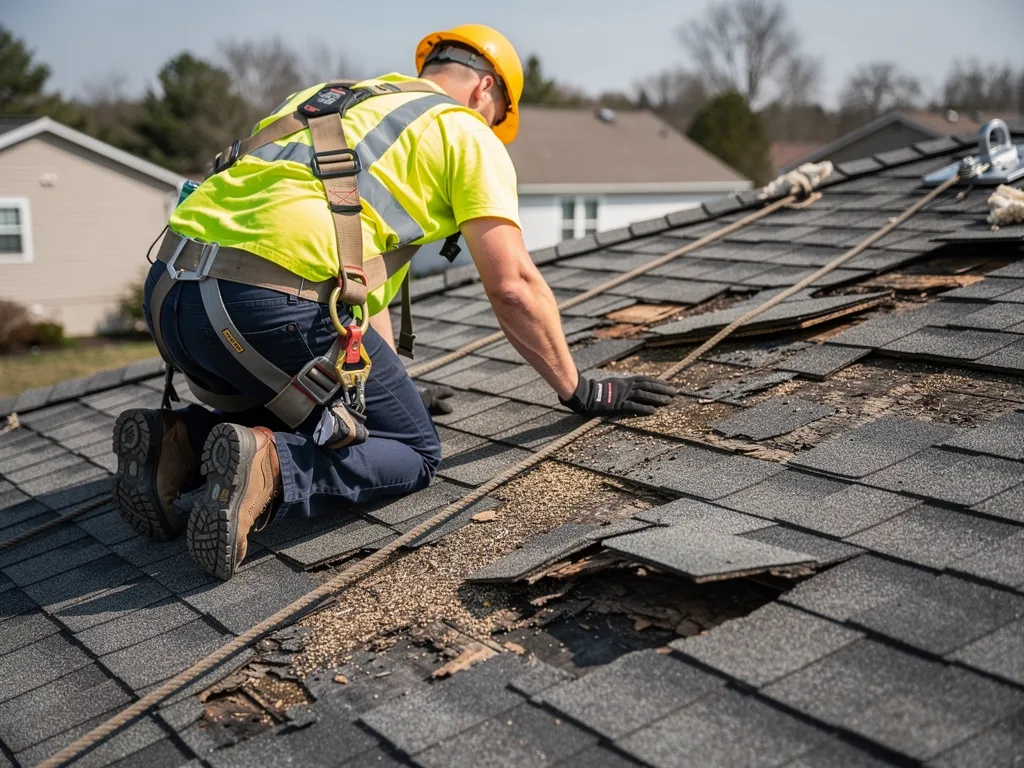
Missing shingles, curling edges, or granule loss in the gutters signal advanced wear. Interior water stains, sagging decking, or daylight through roof boards indicate structural failure. Chandler Roofing recommends replacement when repairs become more frequent than the roof can sustain.
Roof damage rarely announces itself with a single catastrophic event. Small, progressive failures accumulate over months and years, turning minor defects into structural threats. Whether to repair or replace becomes a pressing question once interior water stains appear or shingle granules start collecting in gutters. Property owners who delay assessment risk mold infestation, rotted decking, and insulation degradation that multiplies repair costs.
Chandler Roofing addresses this uncertainty through a systematic evaluation process. Founded in 2006 by Clay Chandler, the company delivers quality installations and competitive pricing for both residential and commercial clients. The skilled team of technicians applies a high standard of craftsmanship to every project, ensuring a professional finish that property owners can trust.
What are the first signs that a roof is failing?
Early detection prevents minor issues from becoming major emergencies. Roof problems typically start small and worsen progressively over time, according to industry guidance. Curling shingles, cracked flashing, and small ceiling stains signal that water intrusion has already begun. A professional inspection identifies these vulnerabilities before structural damage spreads.
How does a professional assessment determine repair versus replacement?
Chandler Roofing provides comprehensive service from understanding customer needs to delivering a final product that exceeds expectations. The evaluation weighs three factors: the extent of existing damage, the roof’s remaining service life, and the cost-effectiveness of repeated repairs. Common signs that indicate a roof replacement include widespread shingle loss, sagging rooflines, and persistent leaks across multiple areas. When damage remains localized and the underlying structure stays sound, targeted repairs restore protection without full replacement.
The company uses industry-leading materials and superior craftsmanship to ensure roofs that stand the test of time. Every recommendation balances immediate safety concerns against long-term value. A roof nearing the end of its expected lifespan with compounding failures typically warrants replacement rather than another round of patchwork fixes.
What Exterior Signs Point to Roof Damage?
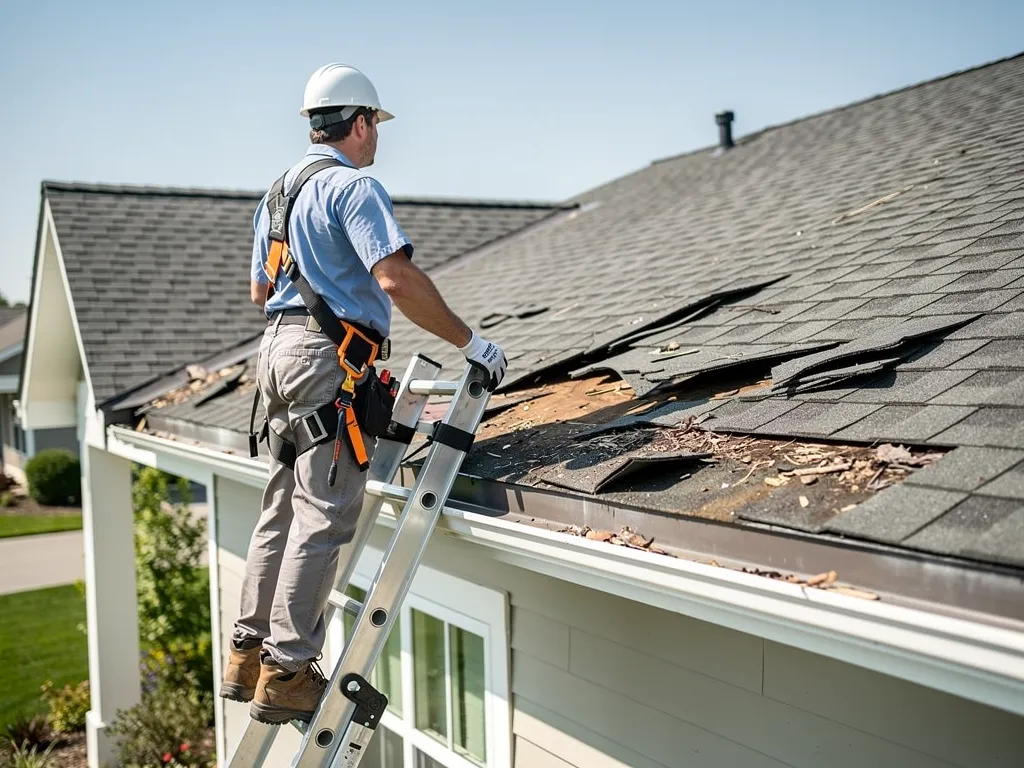
Exterior roof damage reveals itself through specific, visible warning signs. Missing shingles, curling edges, and granule loss signal that a roof’s protective barrier is failing. Homeowners who overlook these indicators risk structural deterioration that accelerates repair costs and shortens the roof’s remaining service life.
What does missing or curling shingles indicate about roof health?
Missing shingles expose the underlayment to direct moisture intrusion. Curling shingles, where edges lift away from the roof deck, indicate aging materials losing their adhesive bond. According to openly.com, visible damage like missing or curling shingles is a primary factor signaling the need for roof replacement. Once shingles lose their flat, sealed profile, water channels form and compromise the entire roofing system.
How does roof age affect the repair versus replacement decision?
Every roofing material carries an expected service life. Asphalt shingles, metal panels, and tile systems age at different rates, but a roof approaching the end of its lifespan makes frequent repairs less cost-effective than replacement. A roof nearing its expected service window develops compounding problems. Each patch job addresses a symptom while the underlying material continues to degrade. Property owners who delay replacement often face emergency leaks during severe weather, when contractor availability tightens and temporary fixes become the only option.
Chandler Roofing provides roof repair, replacement, and urgent storm assistance for both residential and commercial properties. The company backs every installation with genuine warranties, ensuring that a new roof investment remains protected long after the project concludes. A professional inspection identifies whether exterior damage is isolated or systemic. Isolated shingle loss might warrant a targeted repair. Widespread curling, bare spots, or sagging roof planes point toward full replacement. Chandler Roofing’s technicians assess these exterior conditions and recommend the most cost-effective path forward, eliminating guesswork for property owners who need reliable protection.
What Interior Clues Indicate Roof Problems?
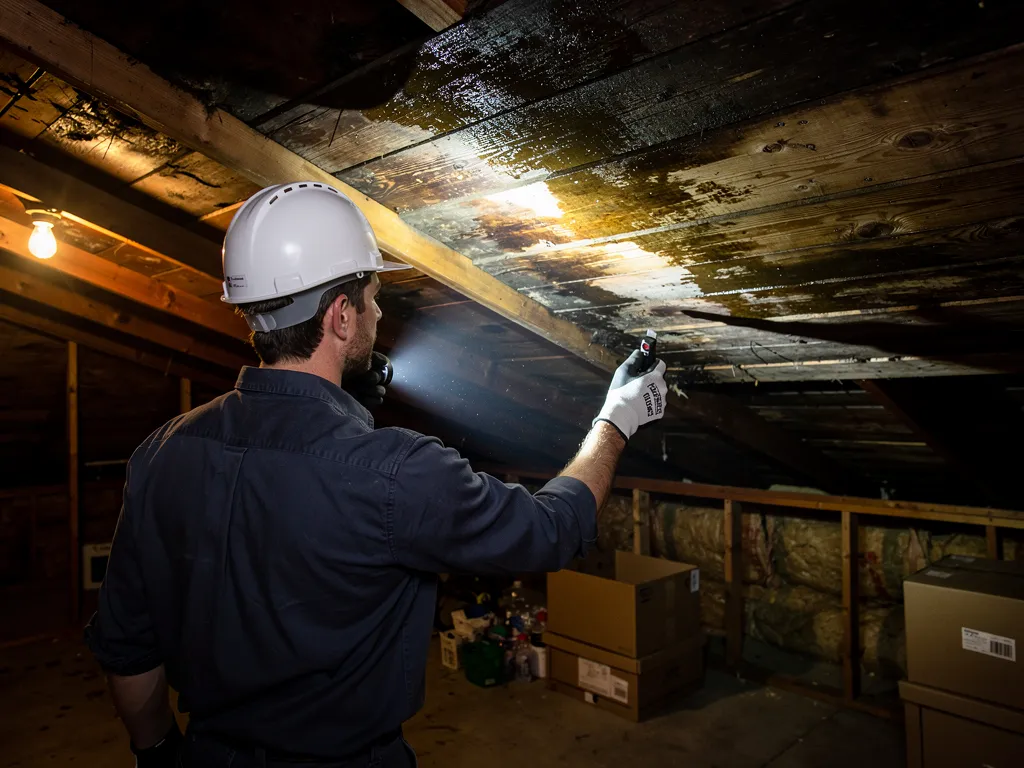
Water stains on ceilings or walls provide the clearest interior warning of roof failure. These discolorations signal active moisture intrusion that compromises structural integrity and invites mold growth. A roof that leaks today will cost far more to ignore than to address immediately.
Property owners often overlook subtle indoor signs until damage spreads. Stains that appear after heavy rain point directly to breaches in the roofing system. Dark spots, peeling paint, or bubbling drywall near the ceiling line all indicate water has already penetrated the protective barrier. Left unchecked, this moisture weakens framing members and destroys insulation.
What do water stains on the ceiling actually mean?
A ceiling stain means water has breached the roof deck and saturated interior materials. The stain’s location rarely matches the leak’s origin. Water travels along rafters and sheathing before dripping onto visible surfaces. Multiple stains across different rooms suggest widespread roofing failure rather than isolated damage.
Can interior damage signal the need for full replacement?
Interior water stains rank among the key factors signaling roof replacement necessity. When combined with the roof’s age and visible exterior deterioration, these indoor clues confirm systemic failure. A single small stain might warrant targeted repair. Widespread staining across multiple rooms or recurring leaks after previous repairs point toward replacement as the more cost-effective solution.
Chandler Roofing prioritizes customer needs with a focus on quality service. The company builds trust through reliability and exceptional results in roofing craftsmanship. Founded in 2006 by Clay Chandler, Chandler Roofing delivers quality installations backed by genuine warranties. Flexible financing options help property owners manage costs efficiently when replacement becomes necessary.
How Do You Decide Between Repair and Replacement?
A roof replacement decision hinges on damage severity, structural integrity, and remaining service life. Homeowners and property managers weigh these factors against repair costs to avoid escalating property damage. Structural issues like sagging signal the need for roof replacement rather than another patch job. A sagging roofline indicates compromised decking or support beams that simple shingle work cannot address.
Taking action early gives property owners control over the replacement process, contractor selection, and budget. Waiting until a roof fails completely forces rushed decisions and limits options. Proactive planning prevents emergency scenarios where water intrusion damages interiors and inventory.
What structural signs indicate replacement is unavoidable?
Sagging sections, widespread water stains on ceilings, and daylight visible through roof boards point to replacement. These failures extend beyond surface materials into the roof’s framework. Repairs cannot restore structural integrity once decking or trusses deteriorate.
How does roof age factor into the decision?
Most asphalt shingle roofs last 20 to 25 years under normal conditions. A roof approaching that age with recurring leaks or granule loss rarely benefits from isolated repairs. The cumulative cost of frequent fixes often exceeds a new installation’s price.
Chandler Roofing, founded in 2006 by Clay Chandler, brings nearly two decades of diagnostic experience to every inspection. The company’s established reputation rests on positive reviews and successful projects across multiple counties. Chandler Roofing offers fair and competitive pricing for top-notch roofing services, ensuring satisfaction without sacrifice. A professional assessment from a trusted provider removes guesswork from the repair-or-replace equation.
Property owners should evaluate three factors when weighing options:
- Damage extent: Localized issues like a few missing shingles favor repair. Widespread deterioration across large roof sections favors replacement.
- Repair frequency: Multiple service calls within a single year signal systemic failure.
- Long-term cost: Comparing cumulative repair estimates against a new roof’s price often reveals replacement as the smarter investment.
What Steps Should You Take for a Roof Inspection?
A professional roof inspection identifies hidden damage before it escalates into structural failure. The process pinpoints problem areas and presents repair solutions that restore the roof’s protective integrity. Property owners who delay inspections risk water intrusion, mold growth, and costly interior damage.
What does a professional roof inspection include?
A thorough inspection examines shingles, flashing, gutters, and the underlying decking. Technicians look for curling, missing, or granule-bare shingles that signal aging. Interior checks reveal water stains on ceilings and attic spaces. The evaluation determines whether targeted repairs suffice or a full replacement becomes necessary.
How does Chandler Roofing approach inspections?
Chandler Roofing was founded in 2006 by Clay Chandler as a trusted provider of commercial and residential roofing services. The company’s skilled team takes pride in their work, ensuring each installation reflects the highest standards of craftsmanship. Every inspection receives the same care and dedication the technicians would apply to their own homes.
Property owners should follow these steps:
- Schedule an inspection with a qualified roofing contractor.
- Provide access to the attic and interior ceilings for moisture assessment.
- Review the technician’s findings, including photos of damaged areas.
- Discuss repair options versus replacement based on the roof’s age and condition.
- Approve a plan that restores full protective integrity.
Chandler Roofing serves both residential and commercial clients, making the company a regional leader in the southeastern US roofing industry. Genuine warranties back every installation, giving property owners confidence long after the inspection concludes.
FAQ
What are the first signs that a roof is failing?
Missing shingles, granule loss in gutters, or interior water stains indicate advanced wear.
How does a professional determine repair versus replacement?
Chandler Roofing weighs the extent of existing damage, the roof’s remaining service life, and the cost-effectiveness of repeated repairs. Widespread shingle loss, sagging rooflines, and persistent leaks across multiple areas indicate replacement is needed.
What exterior signs point to roof damage?
Missing shingles, curling edges, and granule loss signal a failing protective barrier. Visible damage like missing or curling shingles is a primary factor signaling the need for roof replacement.
Conclusion
Recognizing the signs of a failing roof puts property owners in control of the decision. Curling shingles, interior water stains, and a roof approaching 20 years of age point toward replacement as the smarter investment. Scheduling a professional inspection removes guesswork and prevents emergency failures. Acting on those findings protects the structure and avoids costly interior damage. Chandler Roofing delivers the diagnostic experience and quality craftsmanship needed to restore full protective integrity.


