When it comes to How Will Weather Conditions Affect the Timeline for My Roofing Project?, rain, extreme temperatures, and high winds directly affect roof replacement schedules by making wet surfaces unsafe, preventing adhesives and sealants from setting properly, and halting work entirely during storms. Chandler Roofing monitors forecasts closely and adjusts project timing to protect craftsmanship quality, ensuring installations meet high standards despite unpredictable conditions affecting materials and worker safety on the job site.
Why does weather matter for my roof timeline?
Weather plays a direct role in how safely and effectively a roof installation can be completed. Rain, extreme temperatures, wind, and storms each create conditions that either halt work entirely or compromise the quality of materials and installation. Ignoring these factors risks a roof that fails prematurely or a project that stretches far beyond the original schedule.
How do seasonal changes affect roofing schedules?
Seasonal factors play a role in timeline predictability. Summer offers more consistent, dry conditions that allow crews to work steadily without interruption. Spring and fall bring sudden storms that can appear with little warning, forcing delays that push completion dates outward. A day that starts clear may bring driving rains. Winds by the afternoon, requiring an immediate stop to all work.
What happens when weather forces a delay?
When weather halts progress, the key is understanding how these conditions affect scheduling so property owners can plan accordingly. Rain prevents safe footing on wet surfaces and compromises material adhesion. High winds create safety risks for workers and can displace shingles or flashing before they set. Extreme heat softens asphalt shingles, while freezing temperatures make them brittle and prone to cracking during installation. Chandler Roofing accounts for these variables in every project timeline, building realistic buffers that protect both the crew and the final result.
How does rain delay a roofing project?
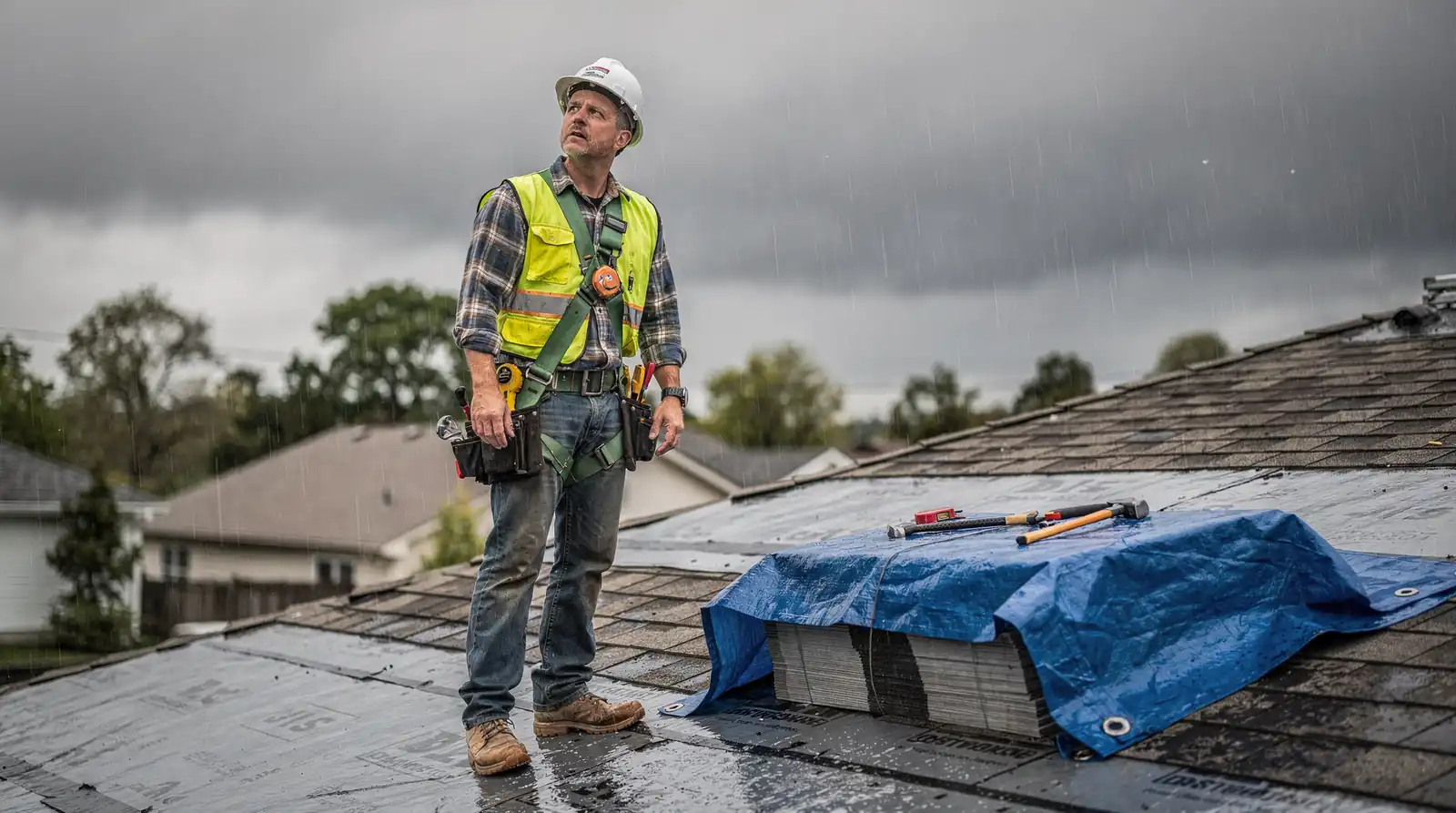
Rain delays a roofing project primarily because wet surfaces create unsafe working conditions for crews. Moisture on shingles, decking, or flashing makes footing hazardous and increases the risk of falls. Chandler Roofing prioritizes crew safety above all else, which means work stops when rain begins and does not resume until surfaces are fully dry.
Why can’t roofers work in the rain?
Roofing materials require completely dry conditions for proper installation. Rain halts progress because adhesives, sealants, and underlayment fail to bond correctly when moisture is present. Compromised material adherence leads to weak spots that shorten a roof’s lifespan. A rushed installation on a damp surface often results in leaks, curled shingles, or premature failure within months rather than years.
How long does a rain delay typically last?
A single rain event delays a project by the total time it takes for the rain to stop and the roof deck to dry. Morning rain may clear by afternoon, but if the deck remains damp, crews wait until the next day. Chandler Roofing factors these weather windows into every project timeline, communicating schedule changes to clients as conditions evolve.
Can extreme heat or cold delay installation?
Extreme temperatures directly disrupt roof installation, often forcing delays to protect material performance and structural quality. When thermometers climb too high or drop too low, both the roofing materials and the installation process suffer measurable consequences that homeowners and property managers need to anticipate.
How does heat affect roofing materials during installation?
High heat softens shingles and weakens the bond of adhesives and sealants. These materials require specific temperature ranges to set correctly. When installed in extreme heat, shingles may not seal properly along the edges, creating weak points vulnerable to wind uplift and water intrusion. Sealants can become runny, leading to uneven application that compromises waterproofing. Chandler Roofing uses industry-leading materials designed for durability, but even premium products have temperature thresholds. A professional team monitors the forecast closely, rescheduling work when heat threatens to undermine the quality of the finished roof.
What happens to materials in freezing conditions?
Cold weather makes shingles brittle and prone to cracking during handling and installation. Freezing conditions hinder material flexibility, increasing the risk of breakage when nails penetrate the surface. Adhesives and sealants struggle to cure in low temperatures, leaving gaps that allow moisture to enter. Contractors working in cold climates often pause projects until temperatures rise above the manufacturer’s recommended minimum. This delay protects the homeowner from a premature roof failure that costs far more than waiting for a warmer window.
What about high winds and storms?
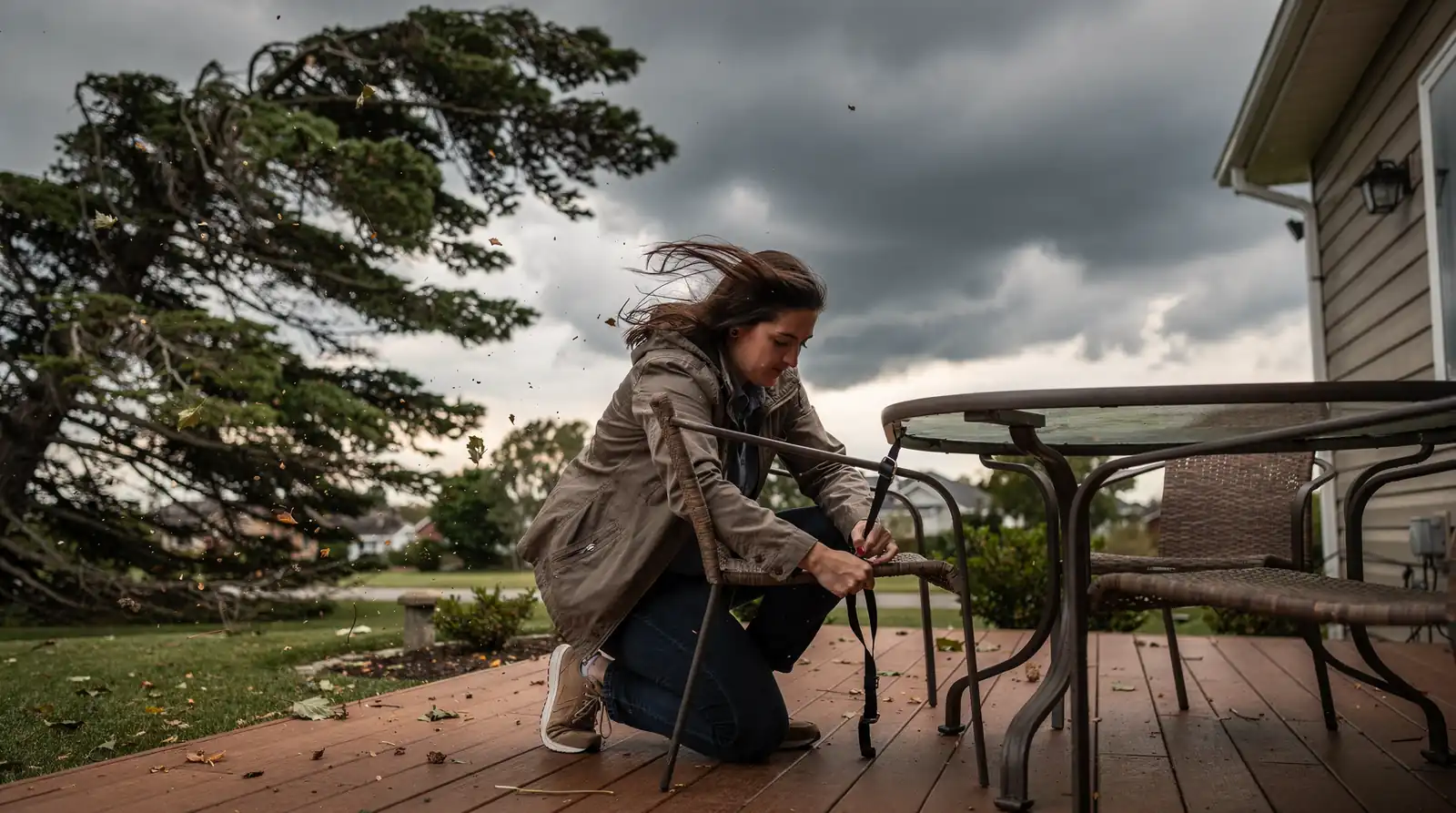
High winds and severe storms create immediate safety hazards that force roofing projects to pause. Wind speeds above a certain threshold make it unsafe for workers to walk on sloped surfaces or handle large sheets of material. Loose shingles, underlayment, or metal panels can become airborne projectiles, endangering both the crew and the property below. Chandler Roofing prioritizes crew and client safety above all else, which means suspending work until conditions stabilize.
How does wind affect roofing materials during installation?
Wind displaces materials, leading to misalignment and safety risks. A gust that catches an unsecured shingle or flashing piece can shift it out of position, creating gaps that compromise the roof’s water barrier. Re-aligning displaced materials takes extra labor time and may require removing and replacing sections that were already installed. This adds hours or even a full day to the original timeline.
What happens when a severe storm hits mid-project?
Severe storms can halt progress and may require additional inspections or repairs. Rain, hail, or lightning accompanying a storm system means the crew must secure all tools and materials, then wait for the site to dry completely before resuming. After the storm passes, a thorough inspection checks for hidden damage to exposed decking or partially installed layers. Chandler Roofing offers services for repairs, replacements, or urgent storm assistance, ensuring that any weather-related setbacks are addressed promptly.
| Weather Condition |
Primary Risk |
Timeline Impact |
| High winds |
Worker safety, material displacement |
Delay per event |
| Severe thunderstorms |
Hail damage, lightning risk, wet decking |
Delay plus inspection |
| Tornadic activity |
Structural damage, site hazard |
Extended delay, full re-inspection |
Planning a roofing project during calmer seasonal windows reduces the likelihood of wind and storm interruptions. Spring and fall bring unpredictable weather patterns, while summer typically offers more stable conditions for continuous work.
How do professionals manage weather delays?
Professional roofers manage weather delays through daily monitoring and real-time decision-making. Every single day, seasoned roofers check multiple local forecasts and keep a close eye on the radar. Even small changes in weather can determine whether a roof can be installed that day. This constant vigilance allows crews to forge ahead, pause, or pivot entirely based on conditions.
What specific steps do roofers take when weather turns bad?
Chandler Roofing’s skilled team of technicians applies a high standard of craftsmanship to every project, ensuring a professional finish even when schedules shift. When rain, high winds, or extreme temperatures threaten progress, the team follows a clear protocol:
- Check morning forecasts before crews mobilize to the job site
- Monitor radar throughout the day for sudden storm development
- Secure all materials and equipment if work must pause
- Communicate timeline updates to clients promptly
This proactive approach prevents rushed installations and protects material integrity. A professional roofer helps keep your home protected during the process of weather-related scheduling changes, ensuring no shortcuts compromise the final result.
How do warranties protect clients during weather delays?
Chandler Roofing backs installations with genuine warranties and provides prompt solutions for any issues that arise. If weather-related delays affect the project timeline, the warranty coverage remains intact. Clients gain peace of mind knowing that craftsmanship standards stay high regardless of when the work completes. The team’s dedication to quality means every roof meets the same rigorous standards, whether installed in perfect conditions or after a brief weather pause.
FAQ
Why does rain stop roofing work?
Rain creates unsafe footing on wet shingles, decking, and flashing, increasing fall risks for crews. It also prevents adhesives, sealants, and underlayment from bonding properly, so Chandler Roofing pauses work until surfaces dry completely.
How do wind and extreme temperatures affect installation?
High winds create safety hazards and displace shingles or flashing before they set. Extreme heat softens asphalt shingles and freezing temperatures make them brittle. Chandler Roofing adjusts schedules to protect both worker safety and material integrity.
Which seasons offer the most predictable roofing schedules?
Summer typically provides consistent, dry conditions that allow crews to work steadily without interruption. Spring and fall bring sudden storms that appear quickly, often forcing unexpected delays that extend completion timelines.
Conclusion
In closing, weather remains one of the most significant factors affecting roofing project timelines, but understanding this reality helps you plan accordingly. At Chandler Roofing, our skilled technicians work strategically around seasonal conditions to deliver quality installations without compromising craftsmanship. By partnering with us, you gain a team committed to safeguarding your home or business with industry-leading materials and superior workmanship—regardless of what Mother Nature brings. Trust our established reputation and reliable service to guide your project to completion.