When it comes to What Are the Most Common Issues That Lead to Residential Roof Damage?, roof damage typically stems from storm impact, wind-lifted shingles, clogged gutters, poor attic ventilation, and aging materials past their lifespan. Homeowners prevent costly leaks through annual inspections, prompt gutter cleaning, and timely repairs. Chandler Roofing addresses these five causes with quality installations, genuine warranties, and urgent storm assistance, protecting residential properties across the southeastern US.
What causes storm damage to your roof?
Severe storms — including thunderstorms and hurricanes — cause extensive roof damage through heavy rainfall, hail, and flying debris. These elements create dents, cracks, or punctures in roofing material that may not be immediately visible. Homeowners often discover the true extent of the damage only after a leak appears inside the house.
How does hail damage a roof?
Hail strikes roofing material with enough force to create dents and cracks. Asphalt shingles lose protective granules where hail impacts, exposing the underlying mat to UV rays and moisture. Metal roofs may show visible dents that compromise the material’s integrity over time. The damage often goes unnoticed until a subsequent rainstorm reveals the leak.
What role does flying debris play in storm damage?
High winds turn tree branches, loose outdoor items, and construction materials into projectiles. These objects strike the roof with enough force to puncture shingles, tear flashing, or dislodge entire sections of roofing. The resulting openings allow water to enter the home’s interior, leading to mold growth and structural decay.
Chandler Roofing provides urgent storm assistance and roof repairs to safeguard homes and businesses. Their technicians assess damage quickly and perform temporary or permanent repairs to prevent further water intrusion.
Preventive measures reduce storm damage risk:
- Impact-resistant materials such as metal or impact-rated asphalt shingles minimize damage from hail and debris
- Regular roof inspections catch small issues before storms turn them into major problems
- Trim overhanging branches to reduce debris sources near the roof surface
Homeowners who invest in impact-resistant materials and schedule routine inspections protect their roof investment against the most destructive storm events.
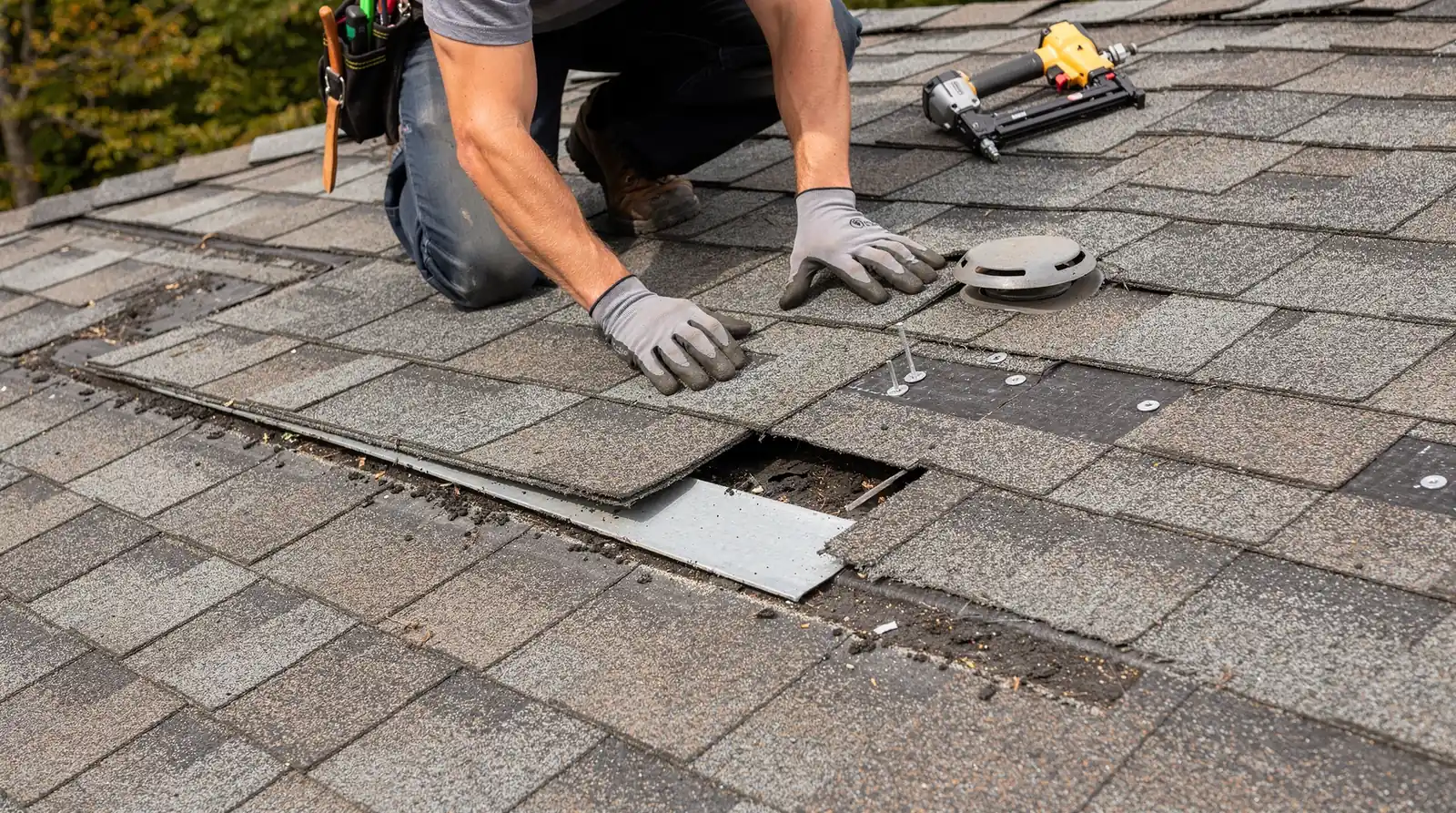
How does poor installation cause roof failure?
A roof’s lifespan is often determined by the quality of its initial installation. Poor workmanship stands as a primary cause of premature roof failure, shortening a roof’s expected service life by years. When installation errors occur, homeowners face leaks, structural damage, and costly repairs that could have been avoided with proper techniques from day one.
What specific installation mistakes cause the most damage?
Several common installation errors lead directly to roof failure. Improper flashing installation around chimneys, vents, and valleys creates entry points for water. Nails driven too deep or at the wrong angle compromise shingle integrity. Inadequate underlayment placement leaves the roof deck exposed to moisture. These mistakes compound over time, turning a small oversight into a major structural problem.
How do professional roofers prevent installation failures?
Professional roofers prevent installation failures by applying modern techniques and technology to every project. Chandler Roofing’s skilled team of technicians takes immense pride in their work, ensuring each installation reflects the highest standards of craftsmanship. The team approaches every job with the same care. Dedication they would for their own homes, guaranteeing quality workmanship that stands the test of time. This commitment to precision eliminates the common errors that cause premature failure.
Key installation practices that prevent failure:
- Proper flashing installation at all roof penetrations
- Correct nail placement and depth for shingle security
- Complete underlayment coverage across the entire roof deck
- Sealed seams and valleys to prevent water intrusion
- Manufacturer-specified ventilation and attachment methods
The integration of modern roofing techniques and technology allows homeowners to protect their investments and ensure long-lasting durability. Choosing a roofer who prioritizes quality installation from day one makes the difference between a roof that lasts decades and one that fails within years.
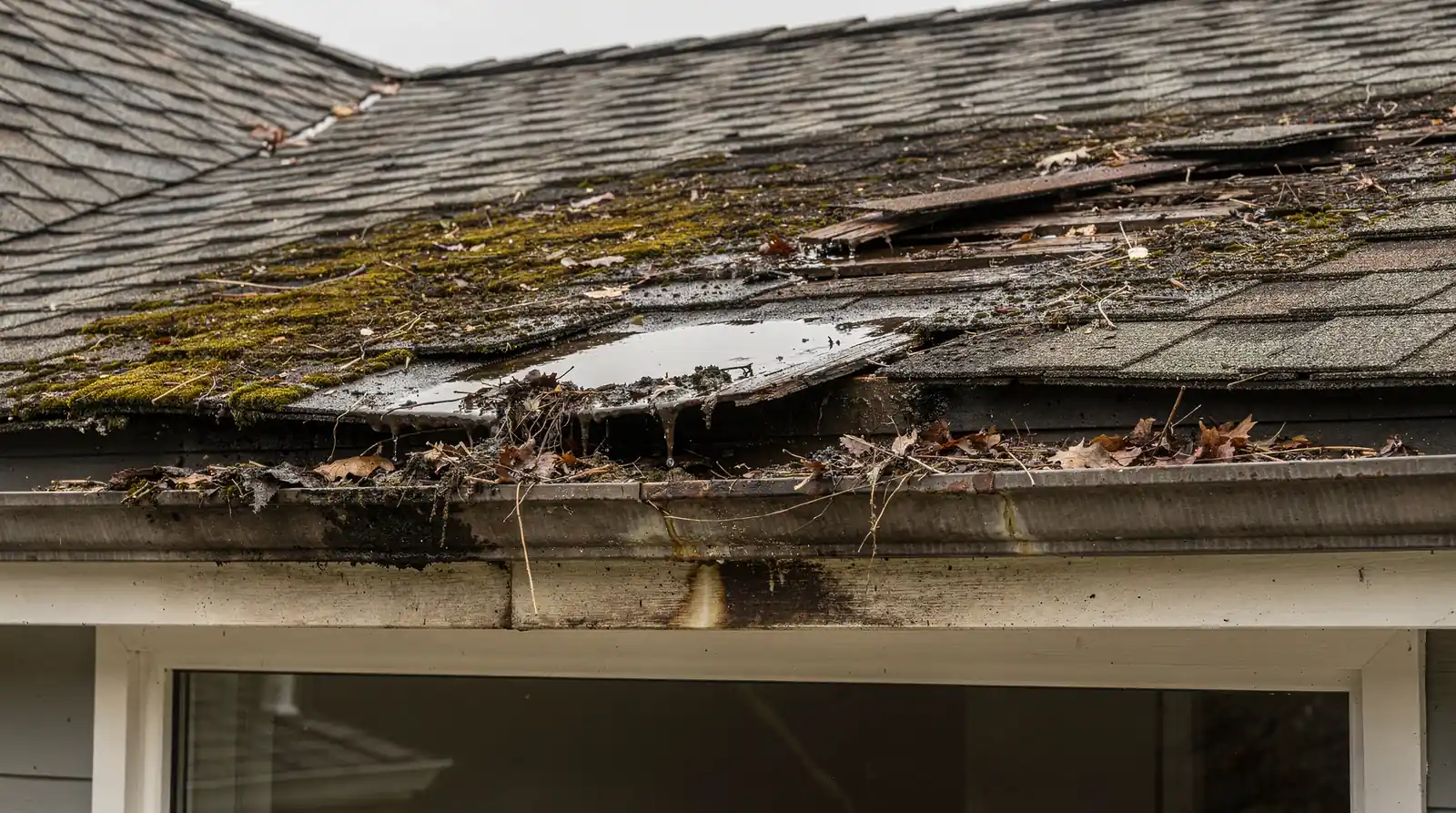
Can lack of maintenance cause roof leaks?
Yes, neglecting routine maintenance directly causes roof leaks and accelerates material failure. Broken shingles rank among the most common sources of a leaky roof. These damaged shingles are often immediately visible from the ground. A homeowner who skips regular inspections misses the chance to catch small problems like cracked or curled shingles before they turn into costly interior water damage. Chandler Roofing emphasizes that consistent upkeep is the single most effective way to prevent leaks and extend a roof’s service life.
How do broken shingles lead to leaks?
Broken shingles create gaps in the roof’s protective barrier. Rain and melting snow seep through these openings, reaching the underlayment and decking below. Over time, even a single missing or cracked shingle allows enough moisture to rot wood, stain ceilings, and damage insulation. Because broken shingles are visible from the ground, homeowners can spot them during a simple walk-around inspection — no ladder required.
What does a maintenance routine include?
A thorough maintenance routine follows a few straightforward steps:
- Inspect shingles twice a year — once in spring and once in fall — looking for cracks, curling, or granule loss.
- Clear debris from gutters, valleys, and around vents to prevent water backup.
- Check flashing around chimneys, skylights, and roof edges for rust or separation.
- Trim overhanging branches that scrape shingles or drop leaves that trap moisture.
Chandler Roofing backs every installation with genuine warranties. If an issue arises despite regular care, the company’s dedicated team provides prompt solutions. This combination of proactive maintenance and reliable warranty protection gives homeowners peace of mind that their investment stays protected for years to come.
How do weather and debris wear down roofing materials?
Weather significantly impacts roof condition, making roofs highly susceptible to damage during extreme conditions. Heavy rainfall, hail, and flying debris from storms cause dents, cracks, or even punctures in roofing material. These damages are not always immediately visible, but they create entry points for water that lead to leaks over time. Chandler Roofing uses industry-leading materials designed to resist this kind of weather exposure, ensuring roofs stand the test of time.
What warning signs indicate material failure from weather exposure?
Granules from shingles collecting in gutters signal that roofing materials are failing. This granule loss exposes the underlying asphalt to direct UV radiation and accelerates deterioration. Homeowners who spot granules in downspouts should schedule an inspection before small weaknesses become large leaks.
How does flying debris cause hidden roof damage?
Flying debris from storms causes punctures that may go unnoticed for months. A single branch strike can tear underlayment or crack a shingle tab, allowing moisture to seep into the decking below. The damage compounds with each subsequent rain event, turning a minor impact into a structural problem.
| Weather Threat |
Immediate Effect |
Long-Term Consequence |
| Heavy rainfall |
Water pools around compromised shingles |
Rotting decking and attic mold |
| Hail |
Dents and fractures in asphalt or tile |
Granule loss and accelerated aging |
| Flying debris |
Punctures in underlayment or flashing |
Hidden leaks that spread across the roof deck |
Professional roofers employ several techniques to combat these effects, including impact-resistant shingle installation and reinforced flashing at vulnerable seams. Regular inspections after major storms catch punctures. Granule loss early, preventing the progressive damage that turns a pricing varies repair into a full replacement.
What steps prevent common residential roof damage?
Preventing residential roof damage requires a combination of regular homeowner vigilance and professional maintenance. Home maintenance is essential to preserving home value and livability, and that includes roof maintenance. When homeowners think about maintenance projects, they should consider how each project helps maintain the home’s value and livability. Chandler Roofing, founded in 2006 by Clay Chandler, offers competitive pricing and flexible financing to help homeowners manage the cost of repairs or replacements.
How often should homeowners schedule professional roof inspections?
Scheduling regular professional inspections can identify damage from storms, poor installation, or aging before it worsens. Chandler Roofing recommends annual inspections, especially after severe weather events. These inspections catch small issues like cracked flashing or loose shingles before they become costly leaks.
What routine maintenance tasks protect a roof between inspections?
Homeowners can perform several simple tasks between professional visits:
- Clean gutters twice yearly to prevent water backup that damages roof edges
- Trim overhanging branches that scrape shingles and drop debris
- Remove moss or algae growth that traps moisture against roofing materials
- Check attic ventilation to prevent heat and moisture buildup that warps decking
Chandler Roofing’s established reputation is built on positive reviews and successful projects across various counties, ensuring reliable service. Their skilled team of technicians takes pride in each installation, reflecting the highest standards of craftsmanship. By combining regular professional inspections with these simple homeowner tasks, families protect their roof investment and avoid emergency repairs.
FAQ
What are the most common causes of residential roof damage?
Storm impact, wind-lifted shingles, clogged gutters, poor attic ventilation, and aging materials past their lifespan cause most residential roof damage. Annual inspections, prompt gutter cleaning, and timely repairs prevent these issues from becoming costly leaks.
How does hail cause roof damage?
Hail strikes roofing material with enough force to create dents. Cracks, stripping protective granules from asphalt shingles and exposing the underlying mat to UV rays and moisture. Metal roofs show visible dents that compromise material integrity over time.
What prevents storm-related roof damage?
Impact-resistant materials like metal or impact-rated asphalt shingles minimize hail and debris damage. Regular inspections catch small issues before storms worsen them. Trimming overhanging branches also reduces debris sources near the roof surface.
Conclusion
In closing, protecting your residential roof from damage requires vigilance and proactive maintenance. The investment pays dividends in longevity and peace of mind. By addressing weather exposure, debris accumulation, poor ventilation, and installation quality head-on, you safeguard your home’s most critical defense system. When damage does occur, professional inspection and repair ensure your roof continues to perform at its best. At Chandler Roofing, we combine industry-leading materials with superior craftsmanship to keep your home secure for years to come.