Warning signs demanding urgent attention include visible water stains on ceilings or walls, a sagging roof deck, and pooling water after storms. Chandler Roofing identifies these structural red flags during inspections, distinguishing repairable damage from replacement-level deterioration. Facility managers who address issues early avoid mold growth, structural failure, and costlier emergency repairs down the line.
Is your commercial roof leaking or showing water damage?
Visible water damage signals that a commercial roof needs immediate attention. Water stains on ceilings or walls often appear as the first visible sign of a roof problem. These stains indicate that moisture has already penetrated the building envelope.
What happens when water damage goes unaddressed?
Water ingress rapidly deteriorates the building structure. The moisture creates conditions for mold and mildew growth, which poses health risks and complicates repairs. Damaged insulation loses its thermal performance, driving up energy costs. Electrical hazards can develop when water reaches wiring systems. Structural deterioration accelerates as moisture saturates building materials over time.
How does Chandler Roofing handle commercial roof leaks?
Chandler Roofing provides commercial roof repair and replacement services designed to protect business assets. The company approaches each leak investigation with the same care applied to residential projects. Technicians identify the source of water entry rather than simply patching visible stains. This method prevents recurring issues that plague superficial repairs.
- Water stains on ceilings indicate active or past leaks requiring investigation
- Puddles on the floor suggest advanced water intrusion needing urgent response
- Mold or mildew odors signal trapped moisture that demands immediate remediation
- Peeling paint or bubbling drywall points to ongoing moisture exposure behind finished surfaces
Commercial property owners who spot any of these signs should schedule a professional inspection promptly. Delaying action transforms a manageable repair into a costly replacement project. Chandler Roofing’s team assesses the full extent of damage before recommending either targeted repairs or complete roof replacement.
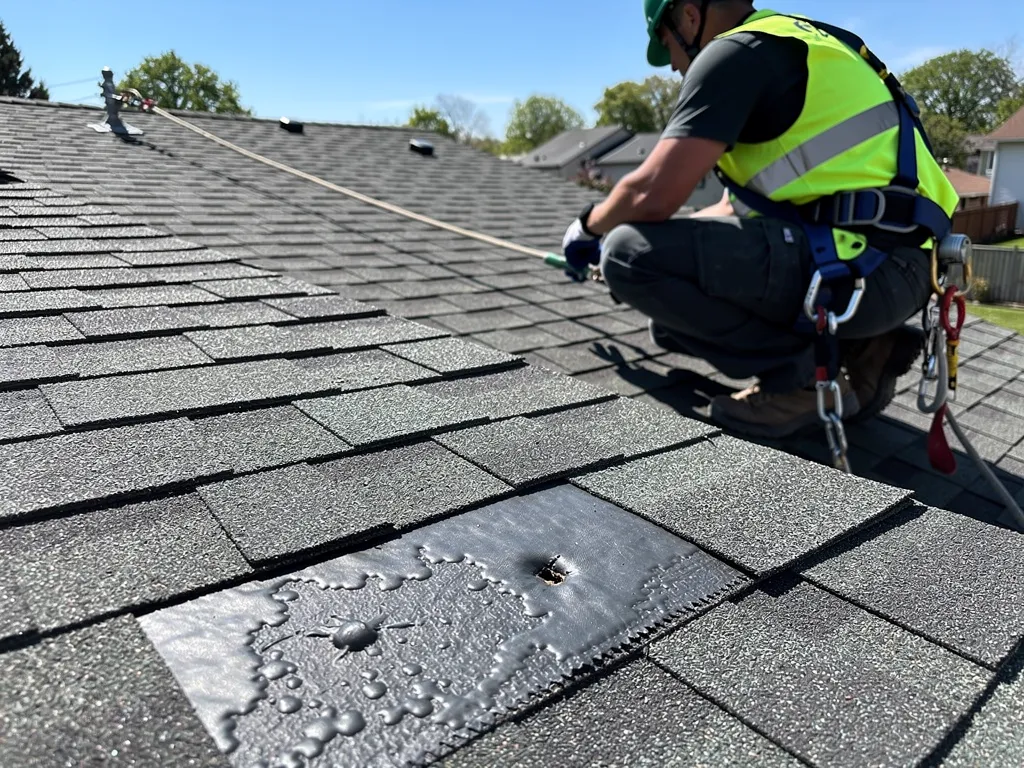
Do you see blisters, bubbles, or punctures on your roof?
Blisters, bubbles, and punctures are visible warning signs that a commercial roof needs professional attention. These surface defects rarely heal on their own, and delaying action allows minor damage to escalate into costly structural problems.
Blisters or bubbles on the roof surface indicate trapped moisture or air beneath the membrane. When left untreated, this trapped material expands and contracts with temperature changes, weakening the roof’s protective layer. A professional assessment is required immediately to determine whether the affected area can be repaired or needs replacement.
Punctures in the roof’s surface are the most frequent cause of commercial roof leaks. Foot traffic, falling debris, hail, and equipment installation all create puncture risks. Even a small hole allows water to penetrate the roofing system, where it travels along the deck and damages insulation, ceilings, and building contents far from the entry point.
How do punctures lead to interior water damage?
Water follows gravity and the path of least resistance once it enters a roof system. A puncture on one side of the building can produce a leak stain in a completely different location. This hidden travel makes punctures especially dangerous, because the visible damage rarely marks the actual entry point.
What should a building owner do after spotting surface damage?
- Document the location and size of each blister, bubble, or puncture
- Schedule a professional roof inspection promptly
- Avoid walking on damaged areas, which can worsen the defect
- Request a written assessment with repair versus replacement recommendations
Chandler Roofing uses industry-leading materials and superior craftsmanship to ensure roofs stand the test of time. Their technicians evaluate surface damage thoroughly. Recommend the most cost-effective solution, whether that means a targeted repair or a full replacement. Acting quickly on visible defects protects the building’s interior and avoids the higher costs of emergency water damage restoration.
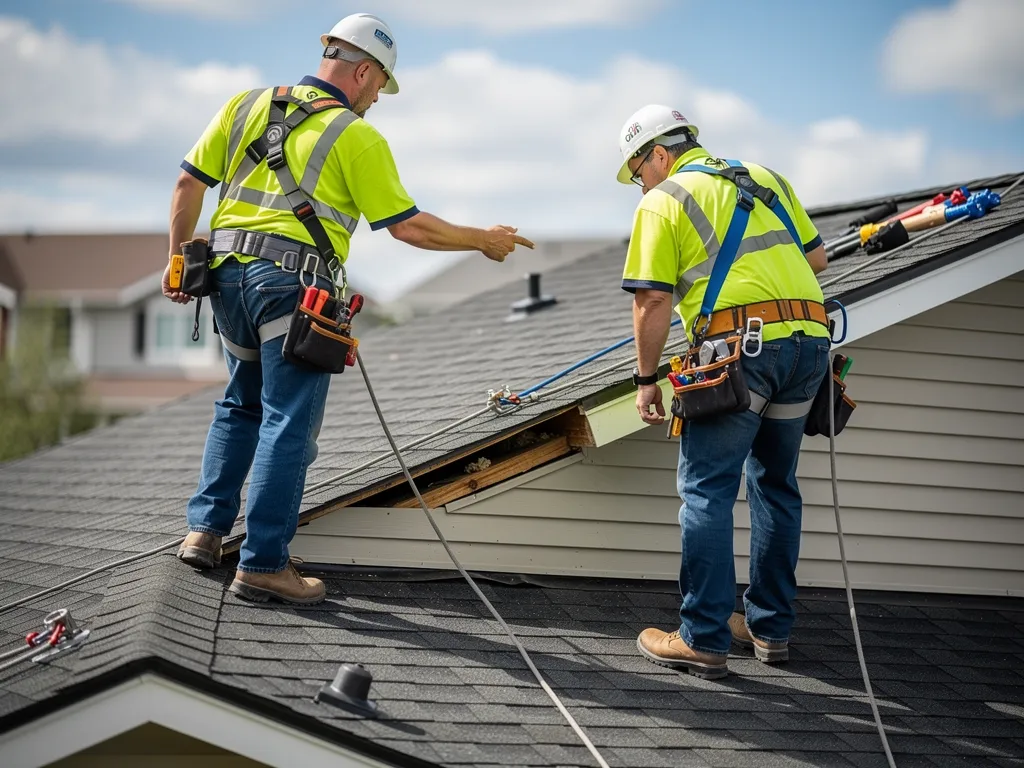
Is your commercial roof sagging or showing structural issues?
A sagging roof deck signals structural trouble that demands immediate attention. Water retention or structural failure often causes this visible deformation. Building owners should treat any dip, curve, or bow in the roofline as a serious warning.
Sagging is dangerous. A roof that continues to sink can collapse if left unaddressed. The risk to employees, inventory, and equipment makes prompt professional assessment non-negotiable. Delaying action turns a fixable problem into a catastrophic loss.
What causes a commercial roof to sag?
Water pooling on the roof surface adds significant weight over time. Trapped moisture saturates insulation and decking materials, weakening their load-bearing capacity. Structural components can also fail from age, corrosion, or improper original installation. Each cause requires a different repair strategy, which is why professional diagnosis matters before any work begins.
How quickly should a sagging roof be addressed?
Immediate action is the only safe response. A sagging roof can collapse without warning, especially during heavy rain or snow accumulation. Facility managers should schedule an inspection the same day they notice any visible deformation. The cost of emergency replacement far exceeds the expense of timely intervention.
Chandler Roofing’s skilled team applies a high standard of craftsmanship to every commercial project. Their technicians assess the full roof system to determine whether targeted repairs or a complete replacement best protects the building. Property owners who act quickly preserve both their structure and their bottom line.
| Sign |
Likely Cause |
Recommended Action |
| Visible dip in roofline |
Water retention or structural failure |
Immediate professional inspection |
| Interior ceiling deflection |
Decking saturation |
Urgent assessment before further damage |
| Cracked or buckling membrane |
Substrate movement |
Structural evaluation and repair plan |
How can you tell if repair or full replacement is needed?
A commercial roof repair may be a practical option without replacing the entire system. That distinction matters for the roof’s longevity. Property managers should assess the extent of damage first, because a full replacement carries significantly higher costs and operational disruption.
The decision hinges on the scope of the problem. Localized issues like a single leak or a small section of damaged membrane often respond well to targeted repairs. Widespread deterioration, structural sagging, or repeated failures across multiple zones typically signals that replacement is the more cost-effective path.
| Condition |
Repair Likely |
Replacement Likely |
| Damage scope |
Isolated, one area |
Widespread, multiple zones |
| Roof age |
Within expected lifespan |
Near or past expected lifespan |
| Structural integrity |
Sound deck, minor issues |
Sagging, water retention, failure |
| Frequency of issues |
First occurrence |
Recurring problems |
What role does a contractor play in this decision?
Hiring a reputable commercial roofing contractor guarantees the roof lasts as long as possible. A qualified contractor performs a thorough inspection, identifies the root cause of damage, and provides an honest recommendation based on the roof’s actual condition rather than a sales pitch.
How does cost factor into the repair versus replacement choice?
Chandler Roofing offers competitive pricing and genuine warranties for commercial projects, which gives property owners confidence in either direction. The company also provides flexible financing options to help commercial property owners manage costs efficiently, making even a full replacement a manageable investment when repairs no longer make sense.
What should you do when you spot these warning signs?
Acting quickly after spotting warning signs prevents small problems from becoming expensive emergencies. A commercial building owner who delays action risks costly damage and unexpected downtime. The first step in answering the question, How Can I Determine if My Commercial Roof Needs Repair or Replacement?, is scheduling a professional roof inspection to assess the true condition of the roofing system.
Ignoring minor issues like a small drip or a spot of rust seems harmless at first. Those little problems escalate into structural damage, interior water stains, and mold growth. Early intervention costs far less than emergency repairs or premature replacement.
How quickly should a commercial roof be inspected after signs appear?
Roofing professionals recommend inspection within days of noticing any warning sign. Water intrusion damages insulation, electrical systems, and inventory rapidly. A prompt inspection gives building owners a clear picture of repair versus replacement needs.
What does a professional roofing assessment include?
A thorough assessment covers the roof membrane, flashing, drainage systems, and structural deck. Technicians document visible damage and identify underlying issues that are not obvious from the ground. This evaluation forms the basis for an honest recommendation.
Chandler Roofing has safeguarded homes and businesses since 2006 through quality repairs, replacements, and urgent storm assistance. The company’s skilled team approaches every commercial project with the same care applied to residential work. Building owners receive competitive pricing without sacrificing material quality or craftsmanship.
An established reputation built on positive reviews and successful projects across various counties gives property managers confidence. Working with a proven contractor ensures the roof receives proper attention before minor damage spreads. Taking action now protects the building, its contents, and the people inside.
FAQ
What are the top warning signs my commercial roof needs repair?
Visible water stains on ceilings or walls, a sagging roof deck, and pooling water after storms signal urgent problems. Chandler Roofing identifies these red flags during inspections to distinguish repairable damage from replacement-level deterioration.
Why do roof punctures cause damage far from the actual hole?
Water follows gravity and the path of least resistance, traveling along the roof deck once it enters through a puncture. This spreads damage to insulation, ceilings, and building contents far from the entry point.
How does Chandler Roofing determine whether to repair or replace a commercial roof?
Chandler Roofing’s technicians investigate the true source of water entry instead of just patching visible stains, then assess the full extent of damage. This approach prevents recurring issues before recommending targeted repairs or complete replacement.
Conclusion
In closing, recognizing these warning signs early protects your commercial property from costly damage and operational disruptions. Whether your roof requires targeted repairs or a complete replacement, addressing issues promptly safeguards your investment and ensures business continuity. Chandler Roofing’s skilled technicians deliver the comprehensive service. Superior craftsmanship your commercial property deserves, combining industry-leading materials with genuine warranties that provide lasting peace of mind for your business.


