Contractors founded in 2006, like Chandler Roofing, prove long-term reliability through genuine warranties, industry-leading materials, and flexible financing. Verify licensing, insurance, regional experience, and positive reviews before hiring, ensuring craftsmanship that protects your commercial investment across the southeastern US for years to come.
When answering the question, How Do I Choose the Right Commercial Roofing Contractor for My Project?, commercial property owners choosing a roofing contractor should verify licensing, insurance, and documented experience with commercial systems, since these roofs demand precision and strict code compliance. Chandler Roofing, founded in 2006, delivers quality installations, competitive pricing, and genuine warranties for businesses, serving commercial clients throughout the southeastern US with repairs, replacements, and storm response.
What Should You Verify Before Hiring a Commercial Roofer?
Commercial property owners must confirm two critical credentials before signing any roofing contract: proper licensing and comprehensive insurance coverage. A commercial roofing contractor needs these documents to prove they have the required training, qualifications, and legal protections in place. Skipping this verification step exposes a business to significant liability if an accident occurs on site.
Why Does Insurance Matter for Commercial Roofing Projects?
Commercial roofs require installation with precision and must meet strict structural standards to perform as expected. Rigorous building codes govern these projects, and uninsured contractors cannot guarantee compliance. Without insurance, the property owner assumes financial responsibility for any worker injuries or property damage during the project.
What Safety Records Should a Commercial Roofer Disclose?
OSHA requires large commercial roofing contractors to disclose their safety records annually. This disclosure includes the Total Recordable Incident Rate (TRIR), which shows how many workplace injuries occurred relative to hours worked. A low TRIR indicates a contractor prioritizes worker safety and follows proper protocols on the job site.
Key verification steps for commercial roofing contractors:
- Confirm current state licensing and general liability insurance
- Request workers’ compensation coverage documentation
- Review OSHA safety records and TRIR data
- Ask about subcontractor insurance if the contractor uses outside crews
Chandler Roofing backs every commercial installation with genuine warranties. The company provides prompt and effective solutions if any issues arise after project completion. This warranty protection gives property owners peace of mind that the roof will perform as intended for years to come.
Why Does Roof Type Experience Matter for Your Project?
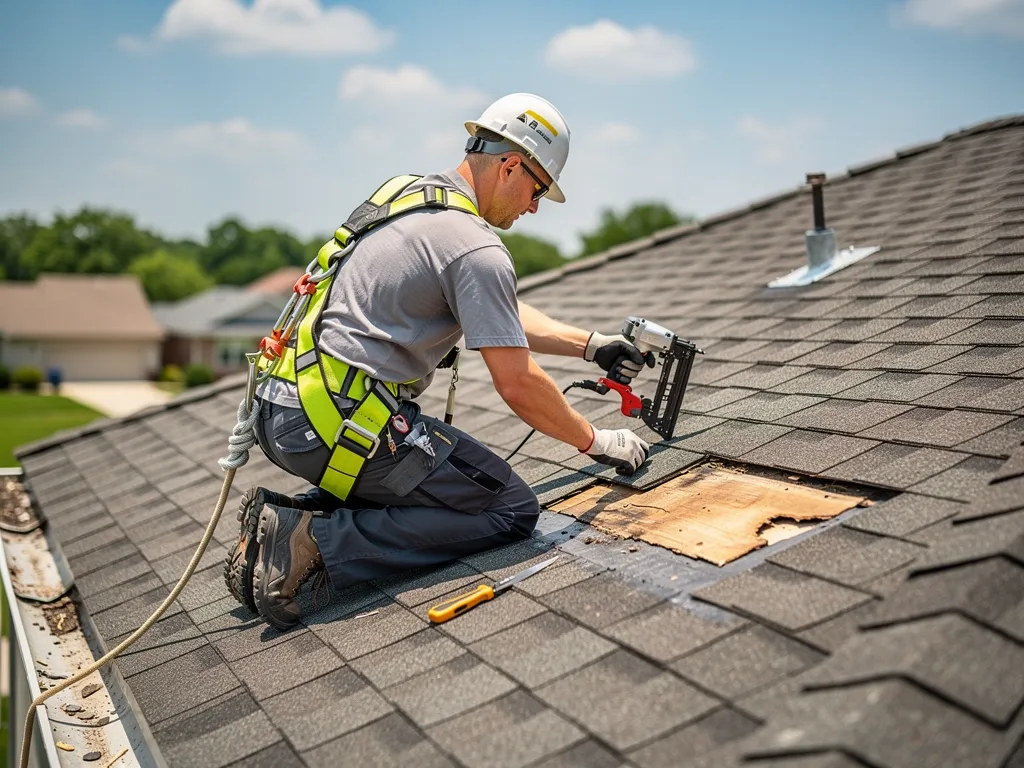
The first step in finding the right contractor to repair or replace a commercial roof is locating one who specializes in the specific roofing material and type on the building. Commercial roofing projects carry greater risks and are more complex than residential work, so specialized experience is critical. A contractor without deep knowledge of a particular roof system may miss installation details that shorten the roof’s service life.
The quality of workmanship and materials used significantly impacts the longevity and performance of a commercial roof. Chandler Roofing uses industry-leading materials and superior craftsmanship to ensure roofs that stand the test of time. Their team applies a high standard of craftsmanship to every project, guaranteeing a professional finish.
What Roof Types Require Specialized Knowledge?
Different commercial roof systems demand distinct installation techniques and material handling. Common types include:
- Built-up roofing (BUR) – multiple layers of asphalt and reinforcing fabrics
- Modified bitumen – asphalt-based sheets applied with heat or adhesive
- Single-ply membranes (TPO, PVC, EPDM) – large sheets mechanically attached or fully adhered
- Metal roofing – standing seam or corrugated panels requiring precise flashing
- Spray polyurethane foam – applied as a liquid that expands into a seamless insulation layer
How Does Material Expertise Affect Roof Performance?
A contractor experienced with a specific roof type understands the manufacturer’s installation requirements and warranty conditions. This knowledge prevents common failures like seam separation, ponding water, or premature membrane degradation. Property owners who hire a roofer with proven experience in their roof system avoid costly repairs within the first five years of installation.
How Do You Evaluate a Contractor’s Track Record and Reputation?
A contractor’s established reputation, built on positive reviews and successful projects across various counties, signals reliability for commercial roofing work. Property owners should examine that history before signing any agreement.
What specific behaviors indicate a trustworthy commercial roofer?
Clients consistently recommend contractors who do great work and make serious efforts at protecting landscaping. Cleanup during and after the project matters just as much as the installation itself. A messy job site reflects poorly on the final product.
How does responsiveness factor into a contractor’s reputation?
Responsiveness during quoting, installation, and after completion marks a hallmark of quality service. A contractor who returns calls promptly and answers questions clearly demonstrates respect for the client’s time and investment. Slow communication during the bidding phase often predicts slow communication during the project.
| Reputation Indicator |
What It Signals |
| Positive reviews across multiple counties |
Consistent performance beyond a single job site |
| Landscaping protection and cleanup |
Care for the property beyond the roof itself |
| Responsive communication |
Accountability from quote through final walkthrough |
Regardless of the job at hand, doing due diligence and finding a roofer that checks all the boxes relevant to the specific project remains essential. Commercial roofs carry higher stakes than residential work, so the selection process should reflect that weight. Property owners should request references, read recent reviews, and ask about completed projects similar in scope to their own. A track record of successful commercial installations, paired with competitive pricing and genuine warranties, gives asset managers confidence that the roof will perform as expected for years.
What Should a Detailed Written Proposal Include?
A detailed written proposal should define the full scope of work based on the job’s size and complexity. Commercial roofing projects vary widely, and the proposal must reflect that reality. Chandler Roofing starts every engagement by understanding the customer’s specific needs before drafting a plan.
The scope of work directly shapes what a proposal covers. Consider the scope of work before you choose a commercial roofing contractor. A small patch repair generates a short, focused proposal. A complete tear-off and replacement demands a far longer document with material specifications, timeline, and phasing details.
What Happens When a Roof Has Been Leaking for a While?
If your roof has been leaking for a while, you are likely looking at a large-scale repair. A proposal for this scenario should address the underlying damage, not just the visible leak. The document must list the repair method, the number of layers to remove, and the condition of the decking underneath. Without these details, hidden moisture can cause problems later.
Chandler Roofing includes these critical elements in every proposal:
- Scope of work: A clear description of what will be done, from tear-off to final inspection
- Material specifications: The brand, type, and warranty of all roofing products
- Pricing structure: Fair and competitive pricing for top-notch roofing services, ensuring satisfaction without sacrifice
- Project timeline: Start date, duration, and milestones for each phase
- Permit and code compliance: Confirmation that the work meets local building codes
A complete proposal protects the property owner. It removes ambiguity and sets expectations for cost, schedule, and quality. Without a written document, verbal agreements can lead to disputes and unexpected expenses.
How Can You Avoid Common Contractor Selection Mistakes?
Commercial roofing projects carry greater risks and complexity than residential work. Property owners who attempt commercial roofing projects without professional help expose buildings to structural and code-compliance failures.
The urgency to get a roof in working order often leads to rushed decisions. With a wide range of options available, finding a partner worthy of trust becomes overwhelming. Chandler Roofing prioritizes customer needs through a focus on quality service, building trust with reliability and exceptional results in roofing craftsmanship.
Common contractor selection mistakes include hiring without verifying credentials, choosing based solely on price, and skipping written contracts. Avoiding these errors requires a systematic approach:
- Verify licensing and insurance before any work begins. Commercial roofing demands strict structural standards and building code compliance.
- Compare multiple bids rather than accepting the first estimate. This reveals pricing variations and helps identify unrealistic offers.
- Request references from recent commercial projects. Past performance indicates future reliability.
- Review warranty terms carefully. Chandler Roofing backs installations with genuine warranties that provide peace of mind.
What role does financing play in avoiding budget mistakes?
Flexible financing options assist commercial property owners in managing costs efficiently. These options reduce the risk of budget overruns by spreading payments over manageable terms. Property owners who plan financing upfront avoid the pressure of cutting corners on materials or workmanship.
How does contractor experience affect project outcomes?
Experienced contractors understand the greater risks commercial roofing carries. They apply precise installation methods that meet rigorous building codes. Property owners who select seasoned professionals reduce the likelihood of costly rework and premature roof failure.
FAQ
What credentials should you verify before hiring a commercial roofing contractor?
Confirm current state licensing, general liability insurance, and workers’ compensation coverage. These documents prove the contractor has required training, qualifications, and legal protections to safely complete your project.
Why is insurance essential for commercial roofing projects?
Commercial roofs demand precision installation and strict code compliance. Without insurance, the property owner assumes financial responsibility for worker injuries or property damage during the project.
Why does a contractor’s experience with specific roof types matter?
A contractor lacking deep knowledge of a particular roof system may miss installation details that shorten the roof’s service life.
Conclusion
In closing, selecting the right commercial roofing contractor demands careful consideration of experience, reputation, materials, and craftsmanship. When you prioritize these essential factors, you invest in a roof built to last and a partnership grounded in trust. At Chandler Roofing, we’ve spent nearly two decades proving our commitment to quality installations, competitive pricing, and genuine warranties that protect your business. Our comprehensive approach, from understanding your specific needs to delivering exceptional results, ensures your commercial property receives the safeguarding it deserves. Choose a contractor dedicated to your satisfaction, and rest assured your roofing project is in capable hands.