Commercial roof decisions hinge on three factors: age relative to expected lifespan, extent of damage, and whether problems recur or stay isolated. An isolated issue on a younger roof favors repair; recurring failures or damage spreading beneath the surface on an aging roof favor replacement. Professional inspection confirms which path protects the property and budget.
How Do I Know if I Need a Commercial Roof Repair or Replacement?
The answer depends on three factors: the roof’s age relative to its expected lifespan, how widespread the damage is, and whether problems are isolated or recurring across the surface. An isolated issue on a roof still within its expected service life usually points to repair. Recurring problems on an aging roof, or damage that has spread beneath the surface, usually points to replacement.
Is the damage isolated or widespread?
A single leak near a flashing seam on a roof that is only 10 years old typically calls for a targeted repair. Chandler Roofing approaches each job with the same care. Dedication the team would use for its own homes, ensuring quality workmanship that stands the test of time. Widespread blistering, ponding water across multiple sections, or leaks appearing in several locations suggest the roof membrane has failed. That scenario demands replacement rather than a patch.
How old is the roof relative to its expected lifespan?
| Roof Condition |
Likely Action |
| Under 15 years old, isolated damage |
Repair |
| 15–20 years old, recurring problems |
Replacement |
| Past expected lifespan, widespread damage |
Replacement |
A roof nearing or past its expected lifespan rarely benefits from repeated repairs. The cost of those repairs adds up quickly, and the underlying structure continues to degrade. Chandler Roofing provides comprehensive commercial roofing services, from understanding customer needs to delivering a final product that exceeds expectations. The team evaluates the roof’s age, the extent of damage, and the repair history before making a recommendation.
What does the repair history reveal?
Three or more service calls in two years signal a roof that is failing. Each repair addresses a symptom, not the root cause. Chandler Roofing, founded in 2006 by Clay Chandler, is a trusted provider of commercial and residential roofing services committed to safeguarding businesses. The company backs installations with genuine warranties, giving property owners confidence that the work will hold. A roof with a clean history and a single trouble spot stays in the repair category. A roof with a growing list of fixes moves into the replacement category.
What Does Roof Age Tell You?
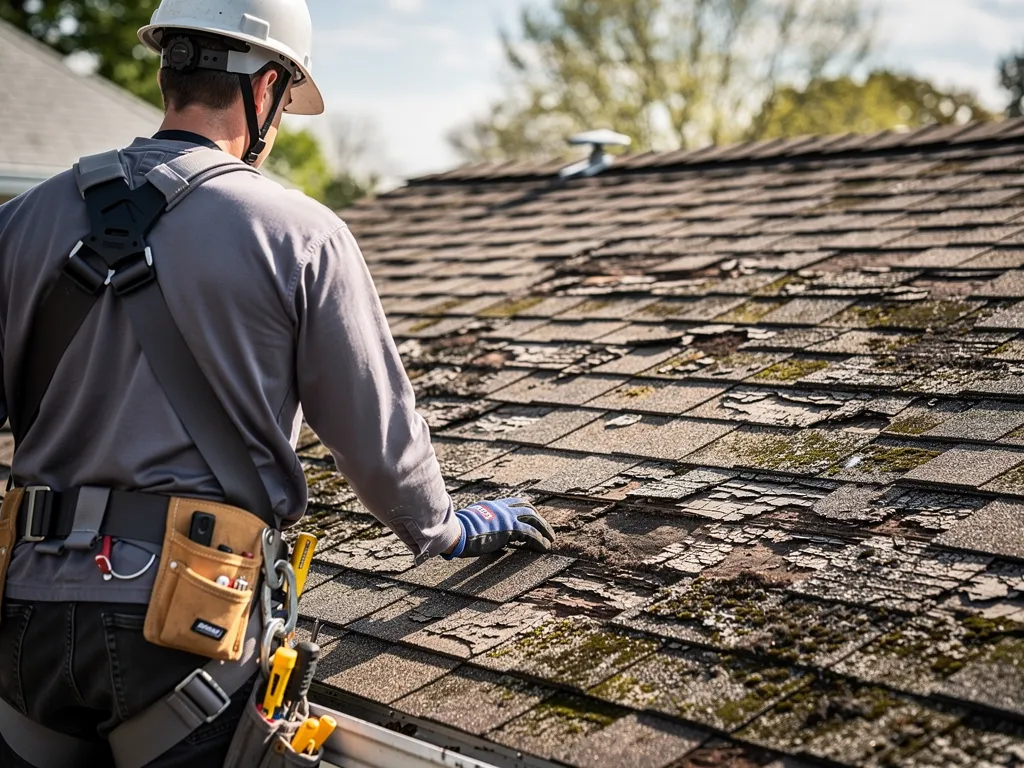
Most low-slope commercial roofing systems are designed for a service life of roughly 15 to 30 years, depending on the material. Where a roof falls in that range shapes whether repair or replacement makes sense. A roof at 10 years with isolated damage typically points toward repair. A roof at 15 years or older with isolated damage may still be repaired depending on the extent.
How does material type affect expected lifespan?
Single-ply membranes like TPO and PVC typically last 15 to 20 years. Built-up roofing (BUR) and modified bitumen systems often reach 20 to 25 years. Metal roofing can extend beyond 30 years with proper maintenance. Chandler Roofing uses industry-leading materials and superior craftsmanship to ensure roofs that stand the test of time, matching the right system to each building’s needs.
What happens when a roof passes its design life?
Once a roof exceeds its expected service life, the risk of hidden damage rises sharply. Repairs become temporary fixes rather than lasting solutions. Chandler Roofing backs its installations with genuine warranties, providing peace of mind that the investment is protected for years to come. A roof past its prime typically requires replacement to avoid costly interior damage from sudden leaks.
| Roof Age |
Typical Recommendation |
| Under 10 years |
Repair isolated issues |
| 10 to 20 years |
Evaluate damage extent |
| Over 20 years |
Consider replacement |
Age alone does not dictate the answer, but it provides the starting point. A professional inspection confirms whether the roof still has useful life remaining or has reached the end of its service.
When Is Damage Too Widespread for Repairs?
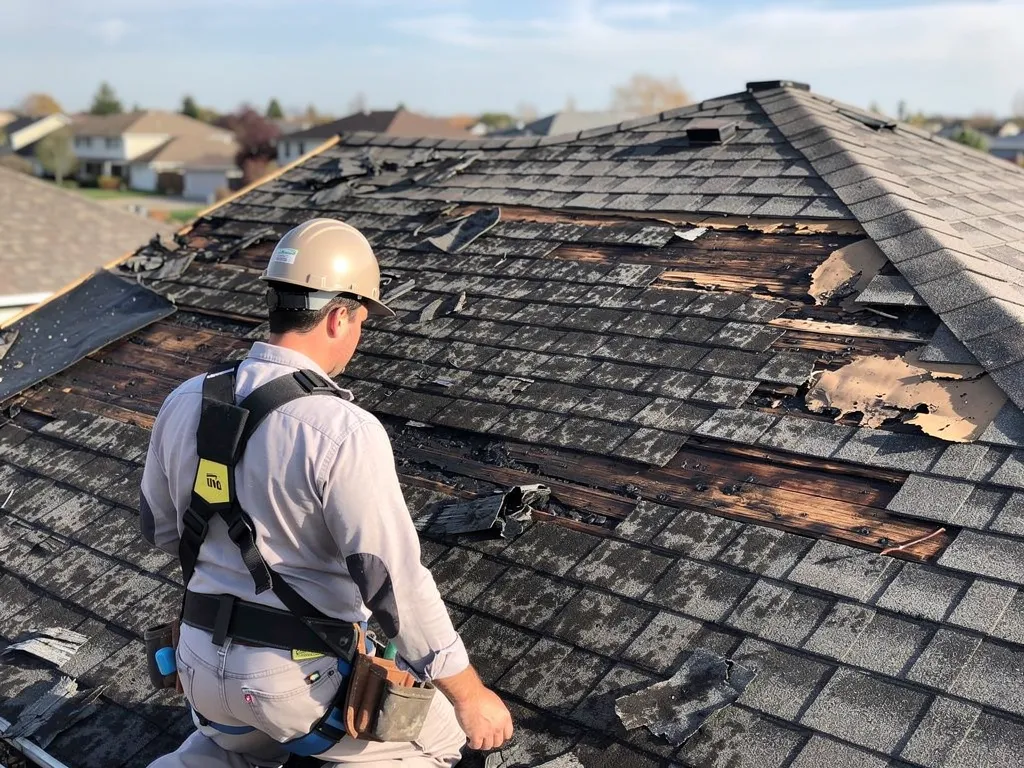
Damage crosses the line from repairable to replacement territory when problems are no longer isolated. Leaks and water stains signal serious issues that indicate underlying damage, not just minor annoyances. A single leak patch rarely solves the problem when moisture has spread beneath the surface across a large area.
What signs suggest damage has spread beyond repair?
Sagging roof decks point to structural compromise that repairs cannot fix. Mold growth inside the building or in attic spaces confirms moisture has penetrated deep into the roofing system. Rising energy bills often mean insulation has been soaked and lost its thermal value. These signs help catch problems early before they escalate. Once they appear together across multiple roof sections, replacement becomes the practical choice.
How does a professional team determine the extent of damage?
Chandler Roofing’s skilled team of technicians takes immense pride in their work, ensuring each installation reflects the highest standards of craftsmanship. The team approaches every job with the same care. Dedication they would for their own homes, guaranteeing quality workmanship. A thorough inspection maps every leak, soft spot, and saturated insulation layer. When damage spreads across the roof or affects multiple penetrations, repairs lose their cost advantage.
| Damage Indicator |
Repair Viable |
Replacement Needed |
| Single leak at a flashing |
Yes |
No |
| Multiple leaks across different zones |
No |
Yes |
| Saturated insulation in one area |
Yes |
No |
| Saturated insulation in three or more areas |
No |
Yes |
The decision comes down to whether the damage is contained or systemic. Isolated issues on an otherwise sound roof respond well to targeted repairs. Widespread damage that keeps recurring demands a full replacement to stop the cycle of patchwork costs.
Are Recurring Problems a Red Flag?
A pattern of frequent leaks or repeated damage across the same roof zones signals that repair alone cannot solve the root cause. When problems keep returning, the roof’s underlying structure has likely deteriorated beyond what patching can fix. This condition usually points to replacement rather than additional repairs.
How does widespread damage affect the decision?
Widespread damage changes the entire cost calculation for a property owner. When damage has spread beneath the surface, no single repair addresses the scope of the problem. The roof continues to lose integrity across multiple sections. This makes replacement the more reliable investment for protecting the building’s interior, equipment, and daily operations. Chandler Roofing approaches these situations by evaluating the full extent of subsurface deterioration before recommending a path forward.
When does the frequency of repairs justify replacement?
The frequency of service calls becomes its own red flag over time. When repairs become frequent, each patch costs money and interrupts business operations. A roof that needs attention every few months costs more in labor and downtime than a planned replacement would. The better investment in this scenario is a full replacement that resets the clock on the roof’s service life. Chandler Roofing delivers exceptional value without compromising on quality, offering fair and competitive pricing for complete roof replacements. Property managers who choose replacement at the right moment avoid the compounding costs of repeated service calls. Protect their capital budget from unpredictable emergency expenses.
How Do You Make the Final Call?
Making the final decision between a commercial roof repair and a full replacement requires professional assessment. Neither answer is something to guess at from the ground. Knowing the signals ahead of an inspection helps building owners ask better questions and understand the recommendation they receive.
Hiring professionals to inspect the roof is always a smart move. A trained technician can assess the roof’s condition and give reliable advice. Chandler Roofing prioritizes customer needs with a focus on quality service, building trust through reliability and exceptional results in roofing craftsmanship.
What Should a Building Owner Look for During an Inspection?
A professional inspection focuses on three key factors. The roof’s age relative to its expected lifespan is the first signal. The second factor is how widespread the damage is across the surface. The third involves whether problems are isolated or recurring across the roof. ### How Does Chandler Roofing Support the Decision Process?
Chandler Roofing has an established reputation built on positive reviews and successful projects across various counties. The company offers a reliable, hassle-free experience for commercial property owners. Flexible financing options assist customers in managing costs efficiently. This approach allows property managers to make the right long-term investment without straining their budget.
FAQ
Should I repair or replace an isolated roof leak?
An isolated leak on a roof still within its expected lifespan typically calls for a targeted repair. Chandler Roofing evaluates the roof’s age, damage extent, and repair history before recommending a solution.
How many repair calls indicate a roof is failing?
Three or more service calls in two years signal a failing roof. Each repair addresses symptoms rather than the root cause. This repair history moves the roof into the replacement category.
Does roof age determine repair or replacement decisions?
Yes, a roof nearing or past its expected lifespan rarely benefits from repeated repairs since costs add up while the structure keeps degrading. Chandler Roofing assesses age alongside damage extent and history to guide the decision.
Conclusion
In closing, recognizing whether your commercial roof needs repair or replacement protects your bottom line and your business operations. By understanding the warning signs, from minor leaks to widespread deterioration, you position yourself to make the right decision at the right time. At Chandler Roofing, we bring nearly two decades of expertise to this critical assessment, delivering honest evaluations and superior craftsmanship that safeguard your investment. Trust our skilled team to guide you toward the solution that ensures lasting protection and exceptional value for your commercial property.


